


"On the eve of World War III"
Doris Lessing Book Summaries #1:
Shikasta (1979)
https://en.m.wikipedia.org/wiki/Shikasta
= Canopus, a benevolent galactic empire centred at Canopus in the constellation Argo Navis, colonises a young and promising planet they name Rohanda (the fruitful).
They nurture its burgeoning humanoids and accelerate their evolution.
When the Natives are ready, Canopus imposes a "Lock" on Rohanda that links it via "astral currents"[2] to the harmony and strength of the Canopean Empire.
In addition to Canopus, two other empires also establish a presence on the planet: their ally, Sirius from the star of the same name, and their mutual enemy, Puttiora.
The Sirians confine their activities largely to genetic experiments on the southern continents during Rohanda's prehistory (described in Lessing's third book in the Canopus series, The Sirian Experiments), while the Shammat of Puttiora remain dormant, waiting for opportunities to strike.
= For many millennia the Natives of Rohanda prosper in a Canopean induced climate of peaceful coexistence and accelerated development.
Then an unforeseen "cosmic re-alignment" puts Rohanda out of phase with Canopus which causes the Lock to break.
Deprived of Canopus's resources and a steady stream of a substance called SOWF (substance-of-we-feeling), the Natives develop a "Degenerative Disease" that puts the goals of the individual ahead of those of the community.[3]
The Shammat exploit this disturbance and begin undermining Canopus's influence by infecting the Natives with their evil ways.
As Rohanda degenerates into greed and conflict, the Canopeans reluctantly change its name to Shikasta (the stricken). Later in the book, Shikasta is identified as Earth.[1][2][3][4]
= In an attempt to salvage Canopus's plans for Shikasta and correct the Natives' decline, Canopean emissaries are sent to the planet.
Johor is one such emissary, who takes on the form of a Native and begins identifying those individuals who have not degenerated too far and are amenable to his corrective instructions.
Johor then sends those he has successfully "converted" to spread the word among other Natives, and soon isolated communities begin to return to the pre-Shikastan days.
But without the SOWF, Canopus is fighting a losing battle against Shammat's influence over the Natives and the planet declines further.
By the Shikastan's 20th century, the planet has degenerated into war and self-destruction.
Johor returns, but this time through Zone 6[a] from which he is born on the planet (incarnated) as a Shikastan, George Sherban.
As Sherban grows up, he establishes contact with other Canopeans in disguise and then resumes his work trying to help the Shikastans.
But famine and unemployment grow, and anarchy spreads.
= On the eve of World War III, Sherban and other emissaries relocate a small number of promising Shikastans to remote locations to escape the coming nuclear holocaust.
He also takes part in the trial of all Europeans for the crimes of colonialism.
Europe has been conquered by China, but he persuades people that Europe was not the only offender.
The war reduces Shikasta's population by 99% and sweeps the planet clean of the "barbarians".
The Shammat, who set the Shikastans on a course of self-destruction, self-destruct themselves and withdraw from the planet.
The Canopeans help the survivors rebuild their lives and re-align themselves with Canopus.
With a strengthened Lock and the SOWF flowing freely again, harmony and prosperity return to Shikasta.
It Never Happened (A Memoir In Meme Form)
= CHAPTER ONE: "TEN YEARS AGO THIS VERY DAY"
"It was pretty much exactly ten years ago this very day -- "
“ . . . It never happened."
"Yes, it did. That was the day that my brother met me for lunch at a casual dining seafood restaurant in Wareham, Massachusetts."
"You are deluded."
"The reason I remember it so well is that -- "
"You lie."
"He played one of his l favorite funny, funny jokes on me. Which was to arrange a meeting and then totally stand me up. Which was super super funny. And then he would completely deny it. The first time he ever did this was in 1979. In Harvard Square."
"You fantasize."
"And I believe that this lunch we had together was the first initial swirl, in what was to be my final -- I was circling the drain. For the last time. I was a horrible person! I was the worst type of person a person could be. Also, I was completely out of my mind. My whole entire life up to this point had been just ...
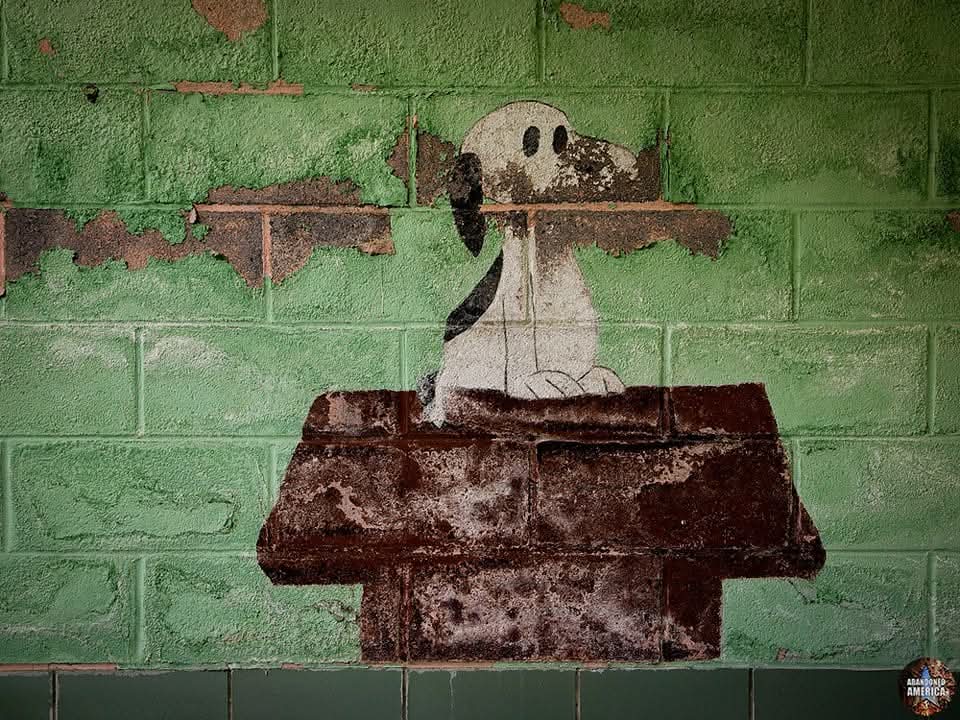
It Never Happened (A Memoir In Meme Form)
= CHAPTER ONE: "TEN YEARS AGO THIS VERY DAY"
"It was pretty much exactly ten years ago this very day -- "
“ . . . It never happened."
"Yes, it did. That was the day that my brother met me for lunch at a casual dining seafood restaurant in Wareham, Massachusetts."
"You are deluded."
"The reason I remember it so well is that -- "
"You lie."
"He played one of his l favorite funny, funny jokes on me. Which was to arrange a meeting and then totally stand me up. Which was super super funny. And then he would completely deny it. The first time he ever did this was in 1979. In Harvard Square."
"You fantasize."
"And I believe that this lunch we had together was the first initial swirl, in what was to be my final -- I was circling the drain. For the last time. I was a horrible person! I was the worst type of person a person could be. Also, I was completely out of my mind. My whole entire life up to this point had been just one long, endless series of psychotic breaks, one after the other, for f -- "
"You are ...
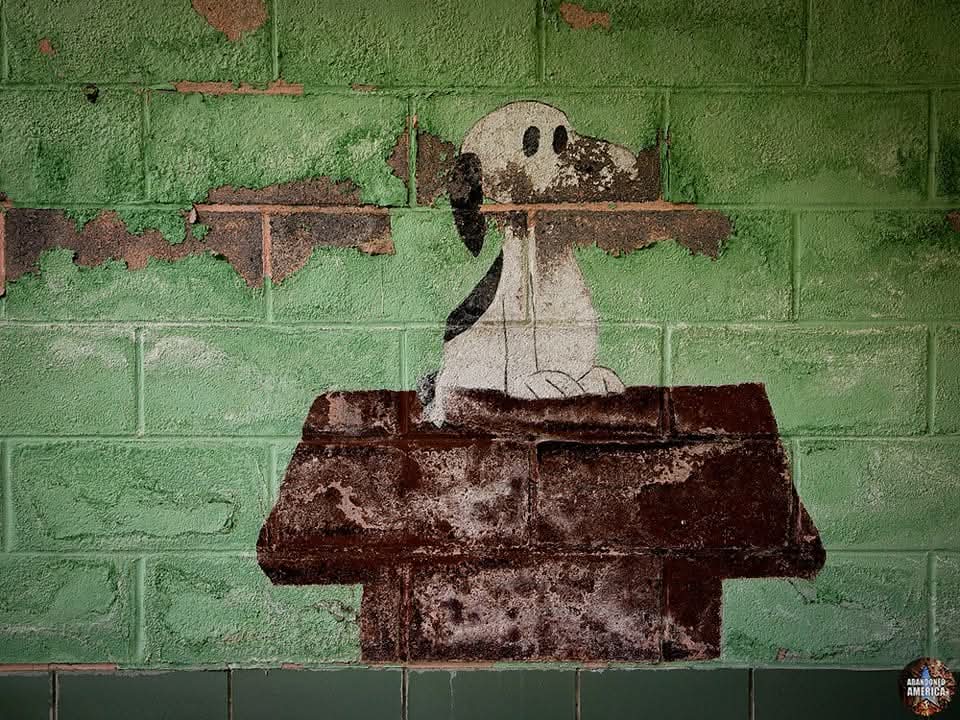
So It Was Pretty Much Exactly Ten Years Ago This Very Day: A Short Story
“ . . . It never happened."
"Yes, it did. That was the day that my sister met me for lunch at a casual dining seafood restaurant in Wareham, Massachusetts."
"You are deluded."
"The reason I remember it so well is that -- "
"You lie."
"She played one of her l favorite funny tricks on me. Which was to arrange a meeting and then totally stand me up. Which was super super funny. And the she would completely deny it. The first time she ever did this was in 1979. In Harvard Square."
"You fantasize."
"And I believe that this lunch we had together was the first initial swirl, in what was to be my final -- I was circling the drain. For the last time. I was a horrible person! I was the worst type of person a person could be. Also, I was completely out of my mind. My whole entire life up to this point had been just one long, endless series of psychotic breaks, one after the other, for f -- "
"You are manipulative. What is it you really want?"
"And ...