

“The women’s screams were chilling”
Same Script, Different Day
- A bleary-eyed Tuesday.
- Whether he realized it or not — the guess here is that he most certainly did — Chief William Penn was reading from a script nearly as old as gunpowder as he urged witnesses to yet another killing to come forward.
- “We are not getting nearly enough information for the number of folks that were there,” Penn said Monday. “Somebody lost their life, and we need a lot more cooperation.”
https://journalnow.com/news/local/two-things-same-script-different-day-a-reasonable-request-and-prudent-maintenance/article_6fb57a50-e360-11ed-867e-dbf8f97de643.html
The people, places and locations change, but the story is sadly the same. A fight breaks out between rival factions, someone goes to the gun and all hell breaks loose.
Bullets fly and someone — often someone who had nothing to do with the original dispute — falls dead.
In January, it was 12-year-old Enedy Penaloza Morales, a student at Philo-Hill Middle School, who was slain in Weston Park. A second person, a young adult, was wounded Jan. 15.
On Saturday night, in a picnic pavilion in Happy Hills Park, it was 21-year-old Beatrice Maxine Knights who wouldn’t go home again. Four others suffered non-life threatening gunshot wounds.
More than 200 attended the party before the gun fight broke out; police recovered more than 100 shell casings.
As tragic as one dead, four injured is — the toll fits the accepted definition of mass shooting, a daily occurrence in these United States - the casualty list could have been far worse.
And yet here we are again as the city’s top cop utters a variation of the same, tired old catch phrase: See something, say something.
It’s plain English but those four simple words — be they a directive, a request or a plea for divine intervention — are far too often lost in translation.
“Unfortunately, we haven’t had much cooperation from the community,” said Capt. Amy Gauldin of the Winston-Salem Police Department after Morales’ killing. “We know there are several people that saw what happened and potentially (have) evidence or have knowledge of what occurred and why it happened and can help solve that crime. We need those people to come forward.”
In both instances, investigators either can’t or won’t say what touched off fights that led to gunfire. In both instances, police brass either couldn’t or wouldn’t use the “G” word, either.
One witness to Saturday’s chaos — who cooperated fully by the way — wasn’t afraid to, though.
“A fight broke out, and 10 seconds after the fight, the shots started,” said Trevon Graham, 33. “I think rival gang members put their hands down and picked the guns up.”
And at a community gathering at Weston Park following Morales' death — another sad, familiar ritual — we heard echoes of the same theme.
The Rev. Robert Leak III of Winston-Salem, the president of the Coalition of Neighborhood Association Presidents, cited gangs, unemployment and poverty as leading factors.
“The homicides in Winston-Salem are a pandemic of violence,” Leak said. “The community has to come together and speak up.”
“See something, say something” seems applicable in several different ways.

It Never Happened (A Memoir In Meme Form)
= CHAPTER ONE: "TEN YEARS AGO THIS VERY DAY"
"It was pretty much exactly ten years ago this very day -- "
“ . . . It never happened."
"Yes, it did. That was the day that my brother met me for lunch at a casual dining seafood restaurant in Wareham, Massachusetts."
"You are deluded."
"The reason I remember it so well is that -- "
"You lie."
"He played one of his l favorite funny, funny jokes on me. Which was to arrange a meeting and then totally stand me up. Which was super super funny. And then he would completely deny it. The first time he ever did this was in 1979. In Harvard Square."
"You fantasize."
"And I believe that this lunch we had together was the first initial swirl, in what was to be my final -- I was circling the drain. For the last time. I was a horrible person! I was the worst type of person a person could be. Also, I was completely out of my mind. My whole entire life up to this point had been just ...
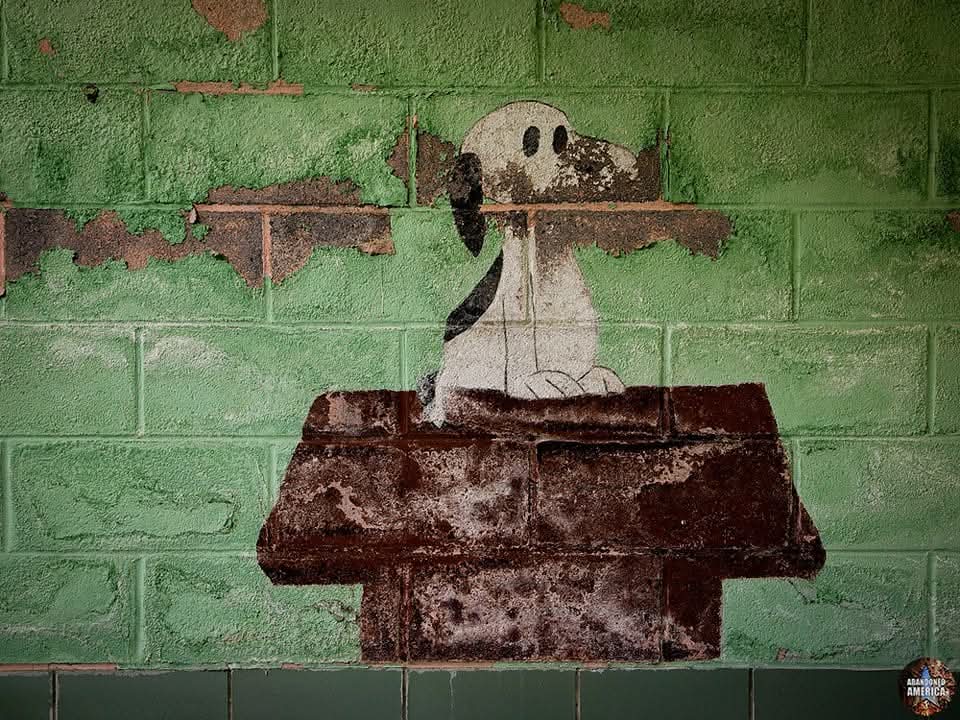
It Never Happened (A Memoir In Meme Form)
= CHAPTER ONE: "TEN YEARS AGO THIS VERY DAY"
"It was pretty much exactly ten years ago this very day -- "
“ . . . It never happened."
"Yes, it did. That was the day that my brother met me for lunch at a casual dining seafood restaurant in Wareham, Massachusetts."
"You are deluded."
"The reason I remember it so well is that -- "
"You lie."
"He played one of his l favorite funny, funny jokes on me. Which was to arrange a meeting and then totally stand me up. Which was super super funny. And then he would completely deny it. The first time he ever did this was in 1979. In Harvard Square."
"You fantasize."
"And I believe that this lunch we had together was the first initial swirl, in what was to be my final -- I was circling the drain. For the last time. I was a horrible person! I was the worst type of person a person could be. Also, I was completely out of my mind. My whole entire life up to this point had been just one long, endless series of psychotic breaks, one after the other, for f -- "
"You are ...
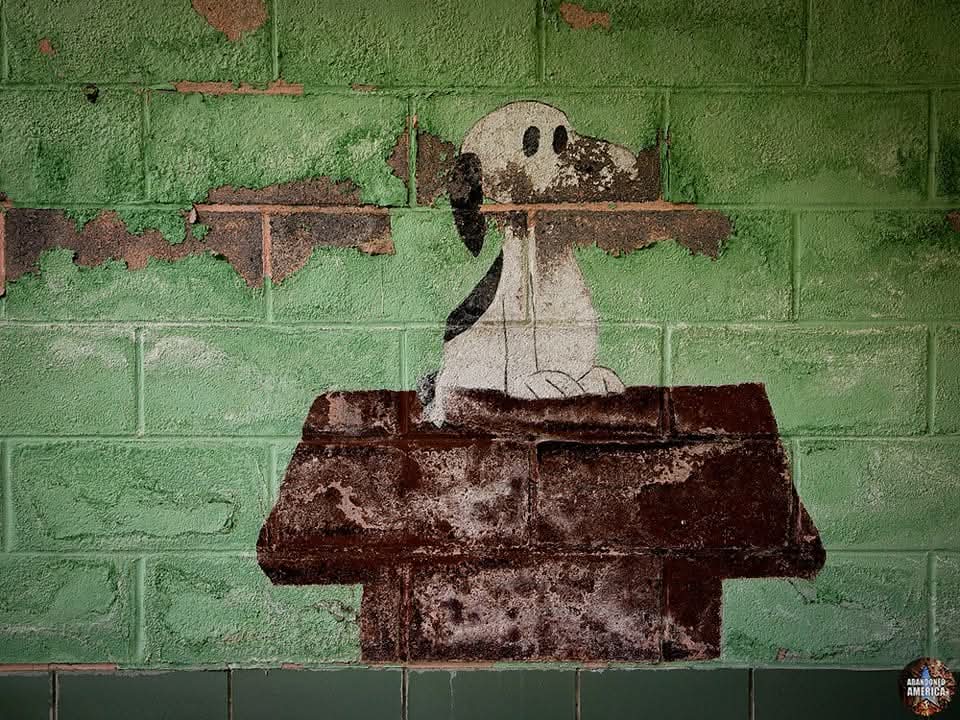
So It Was Pretty Much Exactly Ten Years Ago This Very Day: A Short Story
“ . . . It never happened."
"Yes, it did. That was the day that my sister met me for lunch at a casual dining seafood restaurant in Wareham, Massachusetts."
"You are deluded."
"The reason I remember it so well is that -- "
"You lie."
"She played one of her l favorite funny tricks on me. Which was to arrange a meeting and then totally stand me up. Which was super super funny. And the she would completely deny it. The first time she ever did this was in 1979. In Harvard Square."
"You fantasize."
"And I believe that this lunch we had together was the first initial swirl, in what was to be my final -- I was circling the drain. For the last time. I was a horrible person! I was the worst type of person a person could be. Also, I was completely out of my mind. My whole entire life up to this point had been just one long, endless series of psychotic breaks, one after the other, for f -- "
"You are manipulative. What is it you really want?"
"And ...